
Your website is usually the first place people interact with your business. It’s where users decide whether they trust you, want to explore your services, or need to get in touch with questions. As the saying goes, first impressions matter a lot.
Unfortunately, websites don’t stay effective forever. Design trends evolve, technology improves, and something that worked well just a few years ago may no longer meet what users expect today. We see this happen all the time.
So, What’s a Website Redesign?
A website redesign involves much more than simply changing colors or replacing images. It usually focuses on improving the user experience, updating the design to feel modern, and ensuring the site works smoothly across different devices.
A redesign might include things like:
- A refreshed visual design that prioritizes user experience
- Better navigation and improved page structure
- Making the website fully responsive on mobile devices (which is essential today)
- Enhancing page speed and overall performance
- Refreshing content and messaging
The main goal is to create a website that’s easier to use, loads faster, and aligns with your current brand identity and business goals. Basically, you don’t want to make your website users think too much. The easier your website is to navigate, the better.
If your website hasn’t been refreshed in a while, it might be time to consider a website redesign.
Below, you’ll find a few clear signs that your site— and your website users—could benefit from an updated look and better functionality.
1. Your Website Looks Outdated
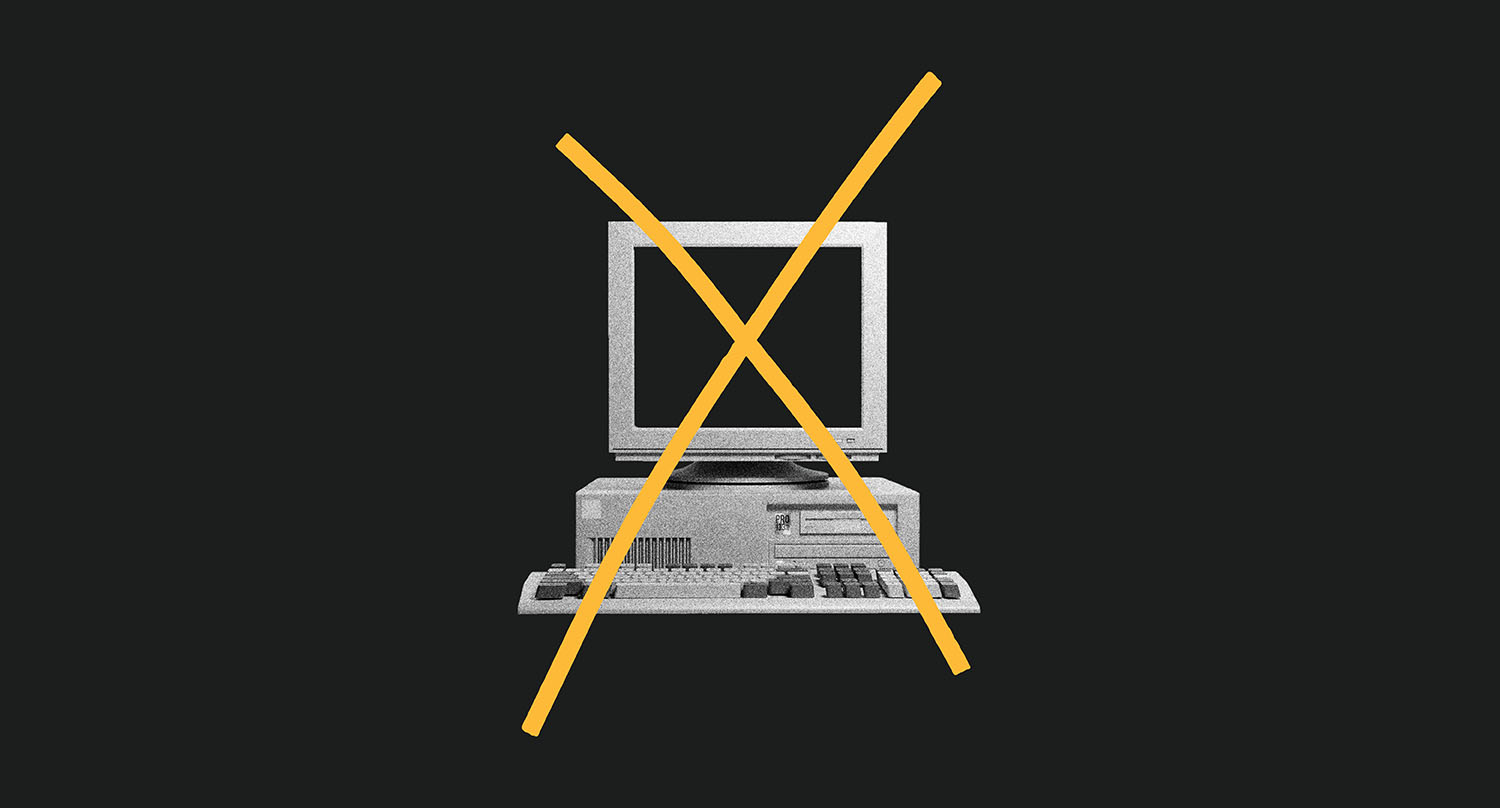
Design trends move quickly. A website that looked modern six or seven years ago may feel old today.
Users often notice this immediately, even if they can’t clearly explain why.
Sometimes the overall “vibe” of the site simply feels out of step with current standards.
A few signs your website may look outdated:
- A cluttered or overly busy layout
- Small text that’s difficult to read
- Heavy gradients or older design styles
- Contradictory navigation patterns
- Generic stock photos that look staged
- Inconsistent visual elements across pages
An outdated website can unintentionally make a business seem behind the times. A website redesign can streamline your online presence and appearance, helping create a stronger first impression.
2. Your Website Isn’t Mobile Friendly
Today, a large portion of website traffic comes from phones and tablets. Attention spans are shorter than ever. People are busy. If your website isn’t easy to use on smaller screens, users might leave. And that’s not good for anyone.
Common signs your mobile experience needs improvement include:
- Text that’s too small to comfortably read on a phone
- Buttons that are difficult to tap
- Images or layouts that break on small screens
- Pages that load slowly on mobile connections
A website redesign usually includes responsive design updates so your website works well on any device.
3. Your Website Loads Slowly
Website speed is more important than ever. Users expect pages to load quickly, and if they don’t, many people simply move on. That can mean many lost opportunities that could be avoided with even a basic website redesign.
A slow website can cause:
- Higher bounce rates
- Lower user engagement
- Reduced visibility in search results
Typical reasons for slow websites include:
- Large images that aren’t optimized
- Too many plugins or scripts
- Weak hosting performance
- Outdated themes or old code
Redesigning your website is a great opportunity to address these issues and improve performance.
4. Your Website No Longer Reflects Your Brand
Businesses grow and evolve, but websites don’t always keep pace with those changes. If your website no longer represents who you are today, it may be time for an update.
You might notice things like:
- Old logos or outdated branding
- Messaging that no longer reflects your services
- Missing details about new products or offerings
- Design elements that don’t match your current marketing materials
A redesign helps ensure your website reflects your business as it is today—not as it was six years ago.
5. Your Website Isn’t Generating Leads
For most organizations, a website should support core business goals. This could mean generating leads, encouraging contact, or simply helping users learn more about what your business can offer.
If your website receives traffic but doesn’t create meaningful engagement, the structure or design may be part of the issue.
Possible problems include:
- Calls-to-action that are unclear or hard to find
- Navigation that makes information difficult to locate
- Contact forms that are confusing or too long
- Pages that don’t guide users toward a clearly defined next step
A well-planned website redesign can improve how people move through your website and make it easier for them to take action.
How Often Should You Consider a Website Redesign?
There’s no strict rule, but many businesses review or update their websites every three to five years.
This doesn’t always mean rebuilding everything from scratch. Sometimes smaller updates can keep a site performing well. But if several of the issues above apply to your website, it may be time to consider a significant refresh.
In Conclusion
Your website should help move your business forward—not hold it back.
If your site feels outdated, struggles on mobile devices, loads slowly, or no longer reflects your brand, a website redesign may be worth exploring. A well-executed update can improve user experience, strengthen your brand presence, and make it easier for users to connect with your organization. In many cases, those improvements can significantly influence how people engage with your business online. And that’s a win-win for everyone involved.
Thinking of refreshing your website presence? Reach out to us at MBB today, and we’ll help guide you through the website redesign process.